
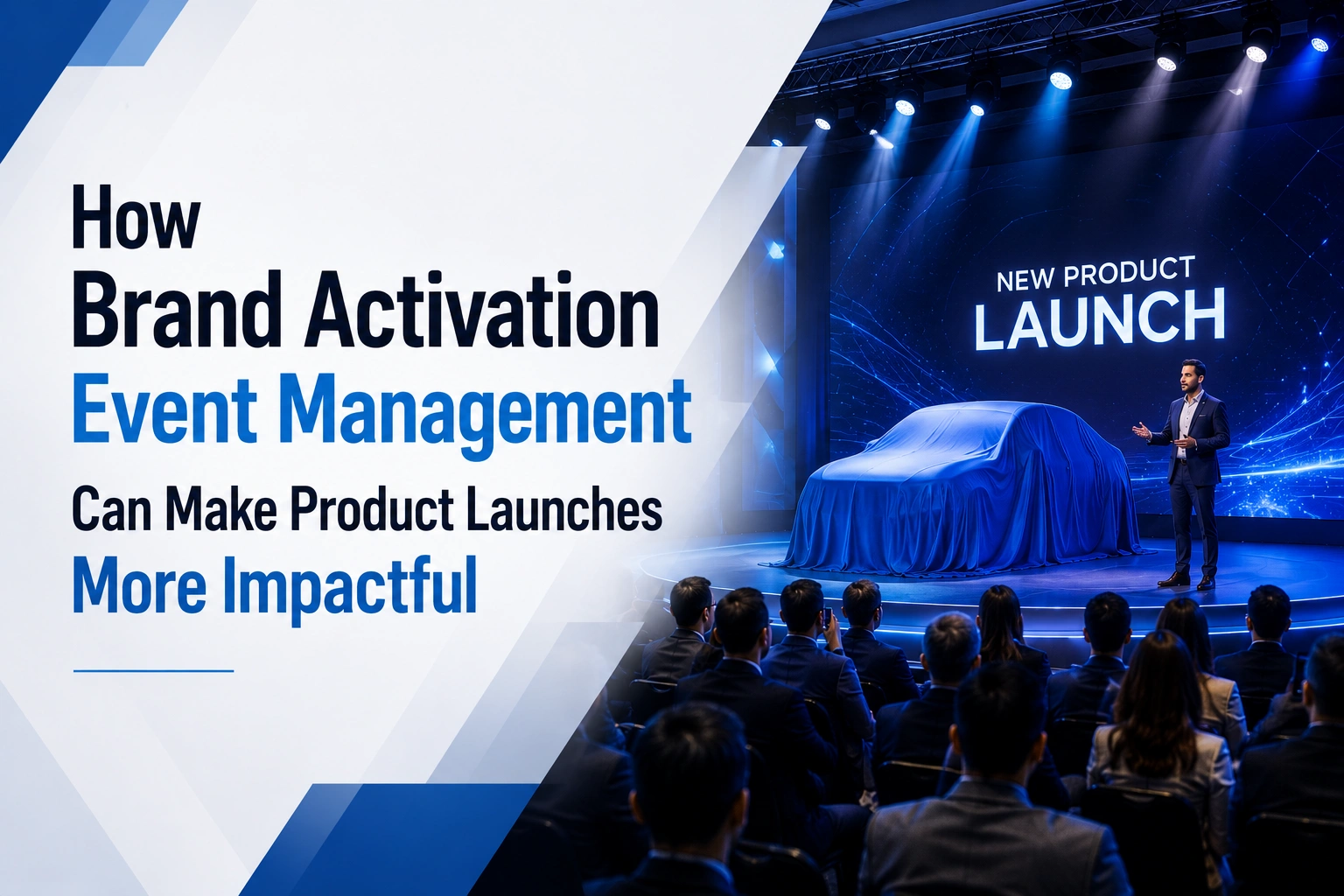
How Brand Activation Event Management Can Make Product Launches More Impactful
Launching a new product is about more than introducing something new to the market. It is an opportunity to create awareness, generate excitement, and establish a meaningful connection between the product and its target audience. While digital campaigns, advertising and social media can create anticipation, live experiences can turn that attention into genuine engagement. This is where brand activation event management becomes valuable.
A well-planned brand activation can transform a conventional product launch into an interactive experience that people remember and talk about. From immersive demonstrations and experiential installations to interactive activities and personalised engagements, businesses can give audiences a reason to experience the product rather than simply hear about it.
Effective event management combines creative concepts, strategic planning, audience engagement and flawless execution. When these elements work together, product launches can generate stronger visibility, deeper audience connections and valuable opportunities for businesses to turn initial interest into lasting customer relationships.
What Makes Brand Activation Events So Effective?
Brand activation event management involves planning and executing events or experiences designed to encourage audiences to interact directly with a brand. Rather than relying solely on passive advertising, it creates opportunities for consumers, partners, or stakeholders to experience a product and understand its value.

For product launches, this approach can include:
- Live product demonstrations
- Experiential installations
- Interactive displays
- Sampling and trials
- Influencer and media events
- Roadshows
- Retail activations
- Corporate launch events
- Pop-up experiences
- Immersive brand experiences
The objective is to make the product launch more engaging and memorable while ensuring that every activity supports the wider marketing strategy.
Creates a Strong First Impression
A product launch may be the first time potential customers interact directly with a new product. That first experience can significantly influence how they perceive the brand.
A professionally managed activation can create an environment that reflects the product’s personality, positioning, and value. From the venue design and visual identity to demonstrations and audience interactions, every element can contribute to a consistent brand experience.
Instead of simply announcing that a product exists, businesses can demonstrate why it matters.
This can be particularly effective for products that benefit from physical demonstrations, sensory experiences, or direct interaction.
Builds Emotional Connections With Audiences
Successful product launches are not only about communicating product specifications. They are also about fostering an emotional connection.

Brand activation event management allows businesses to design experiences around specific emotions, lifestyles or customer needs. Music, storytelling, interactive technology, demonstrations and personalised experiences can all contribute to an atmosphere that audiences associate with the brand.
When people have a positive experience with a product or company, they are more likely to remember it after the event.
This makes experiential engagement a valuable complement to traditional advertising and digital marketing.
Generates Social Media Opportunities
A well-designed product activation can extend beyond the physical event.
Visually appealing installations, interactive experiences, demonstrations, and branded environments can encourage attendees to capture and share content on social media. With the right strategy, a single event can therefore reach people who were not physically present.
Businesses can support this by creating:
- Shareable photo opportunities
- Branded social media zones
- Interactive challenges
- Event hashtags
- User-generated content campaigns
- Influencer collaborations
- Live social coverage
This creates an opportunity to connect physical event experiences with digital engagement.
Supports Lead Generation and Customer Acquisition
Product launches can also be valuable opportunities for generating qualified leads.
Interactive experiences allow businesses to collect information from interested visitors through registrations, demonstrations, consultations, competitions, or follow-up campaigns.
For example, a B2B event management could include scheduled demonstrations where potential clients discuss their requirements with sales representatives. A consumer activation could encourage visitors to register for product updates, offers or future communications.
The key is to ensure that lead collection feels like a natural part of the experience rather than an intrusive sales process.
Strengthens Brand Credibility
Professional execution can influence how audiences perceive a business.
A well-organised launch demonstrates attention to detail and creates a sense of professionalism around the product. Venue selection, production quality, staff presentation, event logistics and audience management all contribute to this perception.
Corporate business events ensure that creative ideas are supported by practical planning. This is important because even a strong concept can lose its impact if the event suffers from poor organisation, delays or inconsistent execution.
Creates Opportunities for Real-Time Feedback
Another advantage of live product launches is direct audience feedback.
Attendees can share their reactions, ask questions and identify potential concerns. Businesses can observe how people interact with the product and understand which features generate the most interest.
This information can help companies refine their marketing messages, improve customer experiences, and identify opportunities for future campaigns.
Live feedback can therefore make the launch more than a promotional event. It can become a valuable source of market insight.
How to Make a Product Launch Activation Successful
Several factors can determine whether an activation achieves its objectives.
Understand the Audience
The experience should be designed around the interests, expectations, and behaviour of the target audience. A corporate audience may require a different approach from younger consumer groups.
Establish Clear Objectives
Businesses should define what they want the activation to achieve. Objectives may include awareness, product trials, lead generation, sales, media coverage or social engagement.
Create a Strong Concept
The creative idea should connect naturally with the product and brand. An activation should have a clear purpose rather than relying on spectacle alone.
Focus on Engagement
Audiences should have opportunities to participate rather than simply observe. Interactive experiences can make the product more memorable.
Plan Every Operational Detail
From venue logistics and staffing to technology, production, safety and audience flow, careful planning is essential for successful execution.
Measure the Results
Businesses should evaluate attendance, engagement, leads, social reach, product trials, conversions and audience feedback to understand the impact of the activation.
Conclusion
A product launch provides a valuable opportunity to introduce more than a new product. It allows businesses to create experiences, encourage interaction and establish stronger relationships with their audiences. Brand activation event management brings together creative thinking, strategic planning and professional execution to make these experiences more effective.
For businesses looking to transform product launches into memorable brand experiences, they can rely on us at Benchmark Marcom. We provide professional event and brand activation solutions designed to connect brands with audiences through engaging, strategically planned experiences. Explore more about our curated services now by visiting our website.
FAQs
- What is brand activation event management?
It involves planning and executing interactive events and experiences that encourage audiences to engage directly with a brand, product, or service while supporting specific marketing and business objectives.
- How can brand activation improve a product launch?
Brand activation can make product launches more engaging by allowing audiences to interact with products, experience their benefits, share content, and develop stronger emotional connections with the brand.
- What activities can be included in a product launch activation?
Product launch activations can include demonstrations, interactive installations, product trials, sampling, influencer activities, competitions, immersive experiences, photo opportunities, roadshows and live entertainment.
- Can brand activations generate leads?
Yes. Businesses can incorporate registrations, demonstrations, consultations, competitions and other engagement activities into an activation to capture information from interested prospects and support subsequent marketing campaigns.
- How is the success of a brand activation measured?
Success can be measured using metrics such as attendance, audience engagement, product trials, qualified leads, social media reach, user-generated content, conversions, media coverage and customer feedback.