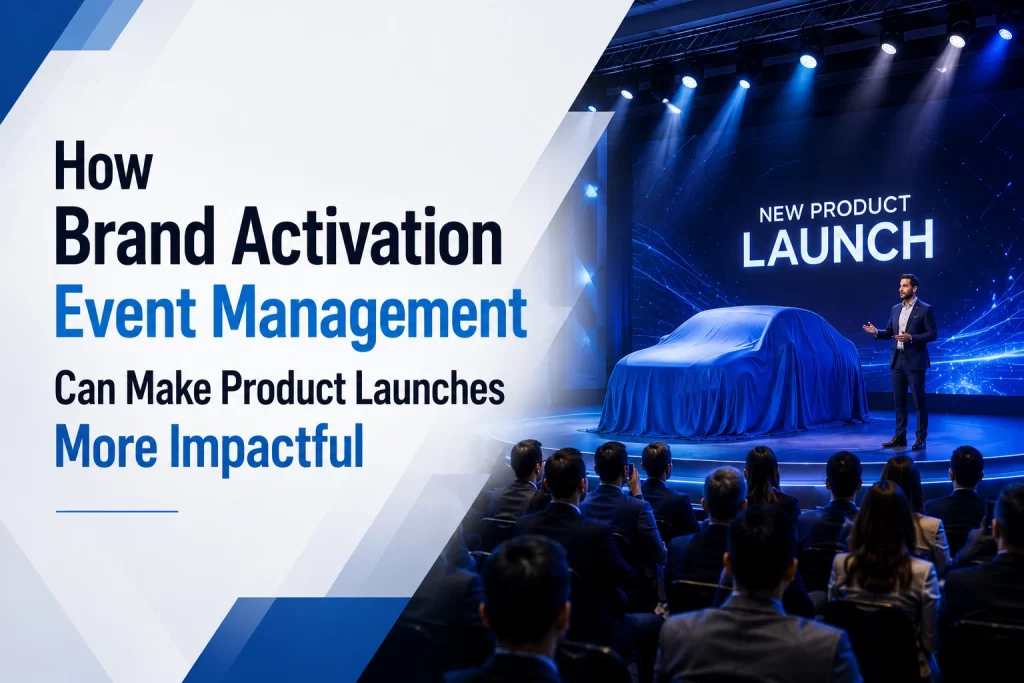
Launching a new product requires more than a traditional presentation or media announcement. Brands are now expected to create memorable experiences that connect audiences both online and offline. Consumers want immersive interactions, real-time engagement, and personalised communication regardless of where they participate. This shift has made hybrid product launch events increasingly important for businesses looking to maximise reach and audience impact.
Successful brand activation events combine the energy of physical experiences with the accessibility of digital platforms. From live streaming and social media engagement to interactive venue experiences and influencer collaborations, modern launches must deliver a seamless brand journey across multiple channels. Companies that effectively bridge the digital-physical divide can increase audience participation, strengthen brand recall, and generate stronger post-event engagement.
Designing a high-impact hybrid launch requires strategic planning, technology integration, and clear marketing alignment. Understanding the essential elements of hybrid event execution can help brands create launches that leave a lasting impression while delivering measurable business results.
What Is a Hybrid Product Launch Event
A hybrid product launch event combines in-person experiences with digital participation. It allows audiences to engage physically at the venue or virtually through online platforms. This format helps brands reach broader audiences without geographical limitations.

Hybrid launches often include:
- Live audience presentations
- Virtual streaming sessions
- Interactive digital tools
- Social media engagement
- Online networking opportunities
- Real-time audience participation
By integrating physical and virtual experiences, brands can increase visibility and audience accessibility.
Why Integrated Digital-Physical Experiences Matter for Modern Brands
Modern consumers expect brands to deliver connected experiences across multiple touchpoints. A disconnected event experience may reduce engagement and audience retention.
Integrated digital-physical launches provide several advantages:
- Greater audience reach
- Increased flexibility for participants
- Higher engagement rates
- Stronger brand storytelling
- Better data collection and analytics
Brands that create seamless interactions between virtual and physical environments can improve customer satisfaction and strengthen long-term relationships.
Key Elements of a High-Impact Product Launch Strategy
Effective brand activation events start with clear planning and audience understanding. Every aspect of the event should support the product’s positioning and brand messaging.
Important elements include:
Audience Targeting
Understanding audience preferences helps brands choose the right communication channels and engagement methods.
Clear Brand Messaging
The launch should communicate the product’s value clearly and consistently across all platforms.
Interactive Experiences
Interactive features such as live Q&A sessions, virtual demos, and audience polls encourage participation and engagement.
Strong Content Planning
Visual storytelling, presentations, and promotional campaigns should align with the overall event theme and marketing goals.
How to Align Event Goals with Brand and Marketing Objectives
Brand activation events should support broader business and marketing strategies rather than function as a standalone event.
Brands should define measurable goals such as:
- Increasing product awareness
- Generating leads
- Boosting media coverage
- Enhancing customer engagement
- Driving sales conversions
Aligning event objectives with marketing campaigns ensures consistency across digital advertisements, PR activities, influencer collaborations, and social media promotions.
Step-by-Step: Planning a Hybrid Product Launch Event
Successful B2B event management requires detailed planning and coordination.
Define the Event Format
Determine how physical and virtual audiences will interact with the launch experience.
Select the Right Venue and Platform
The venue should support digital broadcasting requirements, while the virtual platform must provide reliable streaming and engagement features.
Develop a Content Schedule
Create structured event timelines including keynote sessions, demonstrations, networking opportunities, and audience interactions.
Conduct Technical Rehearsals
Testing audio, visuals, streaming systems, and connectivity before the event reduces technical disruptions.
Creating an Immersive In-Person Brand Experience
Physical attendees expect more than static presentations. Immersive experiences create stronger emotional connections with the brand.
Effective in-person engagement ideas include:
- Interactive product displays
- Experience zones
- Live demonstrations
- Personalised attendee interactions
- Branded installations and visual storytelling
A well-designed venue atmosphere enhances audience excitement and improves brand memorability.
Using Digital Engagement Tools to Extend Audience Reach
Digital tools play a vital role in extending audience participation beyond the physical venue.

Popular engagement tools include:
- Event mobile applications
- Interactive polls and surveys
- Virtual chat rooms
- Gamification features
- Real-time feedback systems
These tools encourage active participation while collecting valuable audience insights for future campaigns.
Live Streaming, Virtual Participation, and Real-Time Interaction Strategies
Live streaming allows brands to connect with remote audiences instantly. However, virtual participation should feel interactive rather than passive.
Brands can improve online engagement by:
- Hosting live Q&A sessions
- Using moderated audience chats
- Providing behind-the-scenes content
- Offering exclusive virtual experiences
- Encouraging audience-generated content
Real-time interaction keeps virtual participants engaged throughout the event.
Social Media and Influencer Integration for Product Launch Amplification
Social media significantly increases event visibility and audience engagement. A strong social strategy can extend the launch impact before, during, and after the event.
Pre-Event Promotion
Teaser campaigns, countdowns, and influencer collaborations help generate anticipation.
Live Event Coverage
Real-time posts, live videos, and audience interactions increase online engagement during the launch.
Post-Event Content
Sharing highlights, testimonials, and product demonstrations extends campaign reach and reinforces brand messaging.
Influencer partnerships can also improve credibility and introduce products to targeted audiences.
Technology, AV, and Interactive Experience Planning
Technology is central to delivering seamless hybrid experiences. Poor technical execution can negatively affect audience perception and engagement.
Brands should prioritise:
- High-quality audio-visual production
- Reliable internet connectivity
- Professional live streaming systems
- Interactive display technology
- Audience engagement software
Collaborating with experienced event production teams for corporate event management helps ensure smooth technical operations and audience satisfaction.
How to Measure Product Launch Success and Audience Engagement
Evaluating the performance of brand activation events helps brands understand audience response and improve future strategies.
Common performance indicators include:
- Attendance and participation numbers
- Social media engagement metrics
- Website traffic increases
- Lead generation results
- Audience feedback and satisfaction scores
- Media coverage and brand mentions
Analysing these metrics provides valuable insights into event effectiveness and return on investment.
Common Mistakes That Reduce Product Launch Impact
Several common issues can reduce the effectiveness of hybrid product launches.
Poor Audience Engagement
Overly long presentations or limited interaction opportunities may cause audience disengagement.
Technical Failures
Streaming issues, poor sound quality, or platform disruptions can negatively affect virtual experiences.
Inconsistent Messaging
Mixed messaging across digital and physical channels may confuse audiences and weaken brand identity.
Lack of Follow-Up
Failing to engage attendees after the event can reduce long-term marketing impact.
Avoiding these mistakes improves audience experience and overall event performance.
Future Trends in Hybrid Product Launch Events
Hybrid product launches will continue evolving as technology and audience expectations change.
Emerging trends include:
- AI-driven personalisation
- Augmented and virtual reality experiences
- Interactive metaverse event spaces
- Advanced audience analytics
- Sustainable event practices
Brands that adopt innovative technologies while maintaining authentic audience engagement will remain competitive in the evolving event landscape.
Conclusion
Designing successful hybrid brand activation events requires careful planning, audience understanding, and seamless integration between digital and physical experiences. Brands that combine immersive in-person interactions with strong virtual engagement strategies can significantly expand audience reach, improve brand visibility, and create memorable customer experiences.
From live streaming and influencer collaborations to interactive technologies and measurable performance tracking, every element contributes to the success of a modern product launch.
Businesses looking to create impactful hybrid launch experiences can benefit from professional event strategy and execution support from us at Benchmark Marcom. We help brands deliver engaging and results-driven launch events that connect audiences across every platform. Visit us now to learn more about us and get the best services.