

Corporate events are no longer just formal gatherings held to tick a box on the business calendar. In today’s competitive market, they are powerful platforms for storytelling, brand positioning, networking, and customer engagement. Whether it is a product launch, annual conference, leadership summit, or employee recognition event, the way it is planned and executed can significantly influence how a brand is perceived.
This is where expert corporate event management becomes essential. Professional event management goes far beyond booking venues and arranging catering. It involves strategic planning, creative conceptualisation, audience engagement design, logistics coordination, and flawless on-ground execution. When done well, it transforms a standard business gathering into a memorable experience that delivers measurable business outcomes.
With businesses increasingly prioritising experience-led marketing, the demand for structured and innovative event management has grown rapidly. Organisations now seek partners who can translate business objectives into impactful live experiences that leave a lasting impression on attendees.
The Strategic Importance of Event Management
Corporate events are no longer isolated activities; they are strategic marketing and communication tools. Expert corporate event management ensures that every element of the event aligns with broader business goals.
A well-managed event can help organisations:
- Strengthen brand identity
- Improve stakeholder relationships
- Generate qualified leads
- Launch products effectively
- Enhance employee engagement
Professional event managers understand how to connect these objectives with experience design, ensuring that every touchpoint reinforces the brand message.
How Expert Planning Elevates Business Events
The foundation of successful event management lies in meticulous planning. Experts begin by understanding the purpose of the event and the expectations of the target audience.
This includes:
- Defining clear event objectives
- Identifying key performance indicators (KPIs)
- Selecting suitable venues
- Designing attendee journeys
- Planning content flow and agenda
Unlike basic coordination, expert planners anticipate challenges in advance and create contingency strategies to ensure smooth execution under all circumstances.
Creating Memorable Brand Experiences
One of the most powerful aspects of B2B event management is experience design. Modern audiences expect more than presentations and speeches; they expect engagement.
Experts achieve this through:
Immersive Event Themes
Themes that reflect brand identity and create an emotional connection.
Interactive Technology
Use of LED displays, AR/VR elements, live polling, and digital engagement tools.
Storytelling Through Design
Every visual and spatial element communicates a brand story.
When these elements come together, the event becomes memorable rather than forgettable.
The Role of Technology in Modern Corporate Events
Technology has revolutionised corporate event management. From hybrid events to AI-powered analytics, digital tools now play a central role in planning and execution.
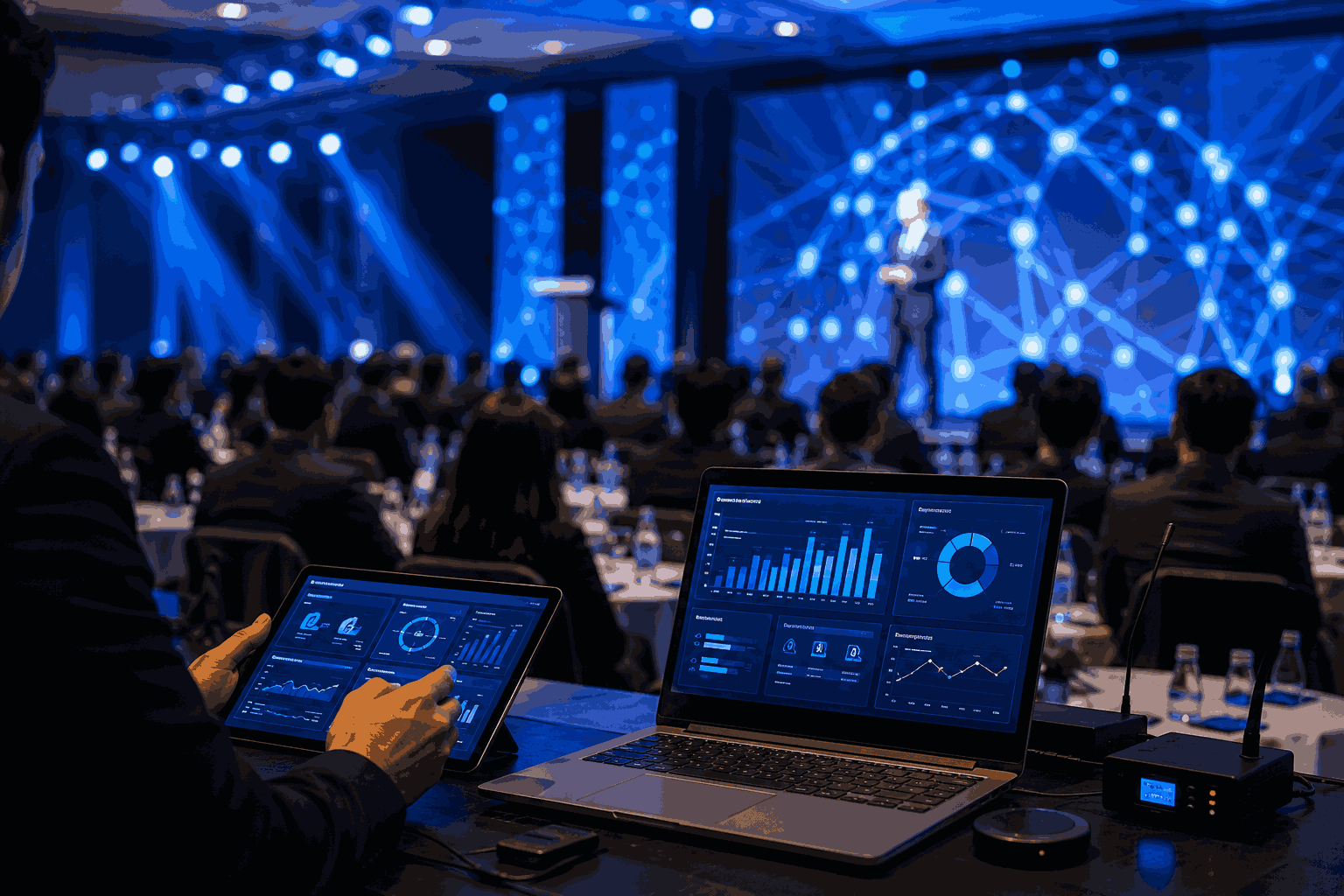
Key technological advancements include:
- Virtual and hybrid event platforms
- Real-time audience engagement tools
- Event mobile applications
- Data analytics for attendee behaviour
- Automated registration systems
These innovations allow businesses to reach wider audiences while measuring engagement more accurately than ever before.
Seamless Logistics and Execution
Even the most creative concept can fail without flawless execution. Expert corporate business events ensure that logistics are handled with precision.
This includes:
- Vendor coordination
- Audio-visual setup
- Stage and production management
- Guest handling and registration
- On-site troubleshooting
Professional teams ensure that every element works in harmony so that clients can focus on networking and business outcomes rather than operational issues.
Enhancing Audience Engagement
Engagement is at the heart of successful corporate events. Expert event managers design activities and formats that keep attendees actively involved.

Some effective engagement strategies include:
- Live Q&A sessions
- Gamification elements
- Networking zones
- Interactive workshops
- Real-time social media integration
Higher engagement leads to better retention of brand messaging and stronger post-event relationships.
Measuring Event Success
Corporate business events do not end when the event concludes. Measuring success is a critical step that helps businesses evaluate ROI and improve future events.
Common metrics include:
- Attendance rate
- Lead generation numbers
- Social media engagement
- Audience feedback scores
- Conversion rates post-event
Data-driven insights help organisations refine their event strategy and achieve better results over time.
Corporate Events as a Brand-Building Tool
Well-executed corporate events serve as powerful brand-building platforms. They allow businesses to showcase values, innovation, and leadership within their industry.
Through expert event management, companies can:
- Strengthen brand authority
- Build trust with stakeholders
- Increase media visibility
- Foster long-term business relationships
This makes corporate events a vital component of modern marketing strategies.
The Future of Business Event Management
The future of business event management is expected to be more digital, personalised, and experience-driven. Hybrid formats will continue to grow, combining physical and virtual participation.
Key future trends include:
- AI-driven event personalisation
- Sustainable event practices
- Fully immersive digital environments
- Advanced data analytics
- Experience-first event design
Businesses that adapt to these trends will stay ahead in creating impactful and meaningful events.
Final Thoughts
Expert corporate event management has the power to transform ordinary business gatherings into strategic, high-impact experiences. By combining creativity, technology, and precision planning, professional event management ensures that every event delivers measurable value while strengthening brand perception.
For organisations looking to elevate their corporate events and create memorable brand experiences, partnering with specialists like us at Benchmark Marcom can make a significant difference. To book your corporate event, visit our website and enjoy a hassle-free experience.
FAQs
- What is corporate event management?
It involves planning, organising, and executing business events such as conferences, product launches, seminars, and corporate meetings.
- Why is corporate event management important for businesses?
It helps businesses communicate their brand message effectively, engage stakeholders, generate leads, and build stronger professional relationships.
- What types of events fall under corporate event management?
Common examples include conferences, exhibitions, product launches, award ceremonies, team-building events, and corporate retreats.
- How does technology improve corporate event management?
Technology enhances registration, engagement, analytics, and hybrid participation, making events more efficient and interactive.
- What makes a corporate event successful?
Clear objectives, strong planning, engaging content, seamless execution, and effective post-event analysis all contribute to a successful corporate event.