
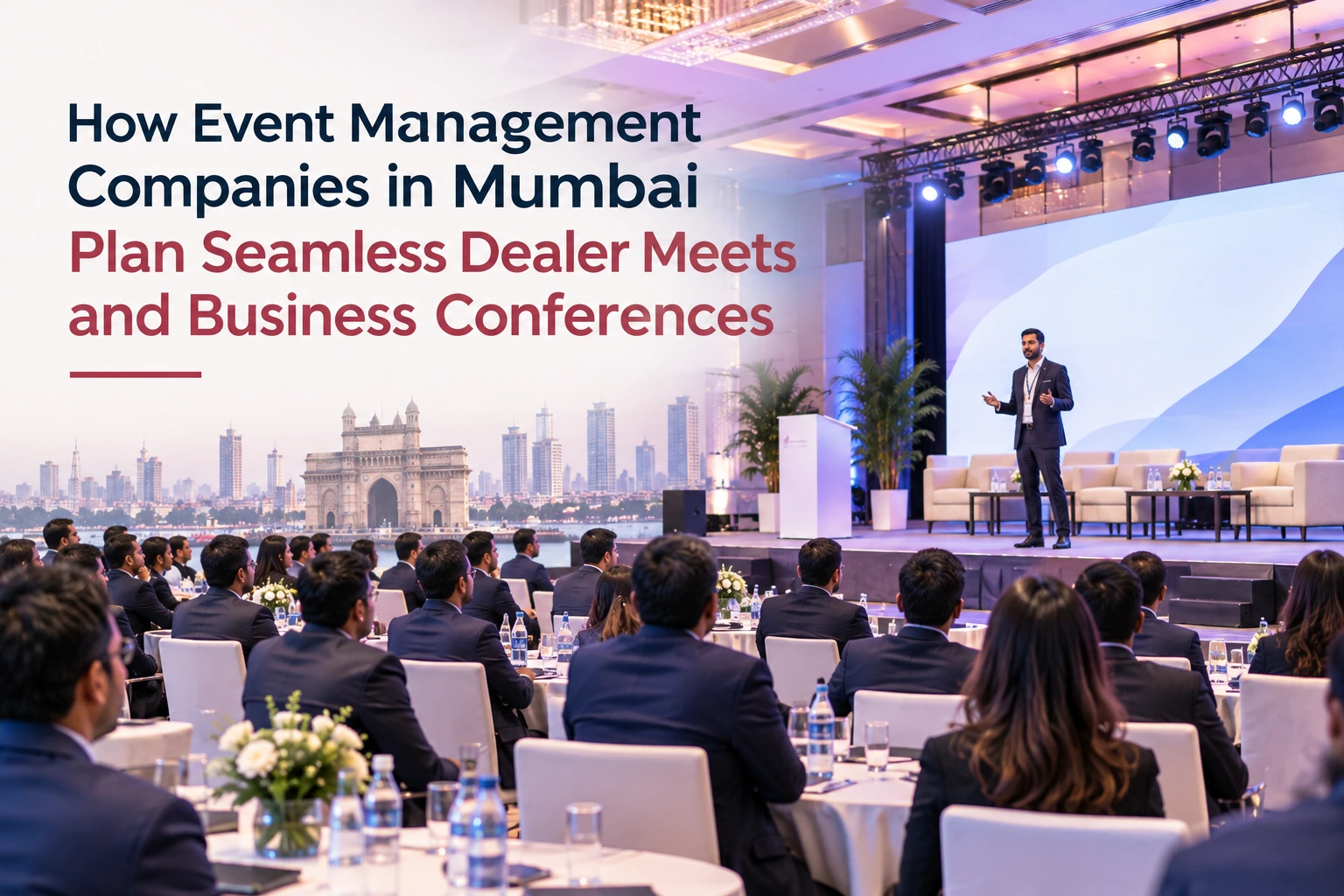
How Event Management Companies in Mumbai Plan Seamless Dealer Meets and Business Conferences
Dealer meets and business conferences are valuable opportunities for businesses to strengthen relationships, share important updates, introduce new products, and recognise achievements. However, organising a successful corporate event involves much more than booking a venue and sending invitations. From coordinating multiple stakeholders to managing schedules, technical arrangements, and guest experiences, every detail requires careful planning. This is where professional event management companies in Mumbai play an important role.
With structured planning, creative concepts and efficient execution, they help businesses host well-organised events that align with their objectives. Whether it is an annual dealer meet, a product launch conference, or a leadership gathering, the right approach ensures that every element works together seamlessly. Understanding how these companies manage the planning process can help businesses make informed decisions and deliver meaningful corporate experiences that leave a lasting impression on attendees.
This blog explores how event management companies plan dealer meets and business conferences through effective coordination, budgeting, and seamless execution.

Understanding Business Goals and Event Objectives
Every successful dealer meet or business conference begins with a clear understanding of its purpose. Professional event planners work closely with businesses to identify their objectives, whether it is improving dealer engagement, announcing new strategies, launching products, or celebrating sales milestones.
These objectives influence decisions regarding the event format, venue, programme, branding and communication strategy. For instance, a dealer meet focused on business growth may include performance reviews and incentive announcements, while a conference centred on innovation may feature product demonstrations and expert presentations.
By establishing measurable goals at the beginning, event organisers ensure that the programme remains focused and delivers meaningful value to both the business and its attendees.
Selecting the Right Venue in Mumbai
Venue selection is a crucial part of planning a seamless corporate event. Mumbai offers a variety of venues, from premium hotels and convention centres to modern business spaces and distinctive event locations.
Event planners consider several factors before recommending a venue, including:
- Guest capacity: Ensuring the venue comfortably accommodates all attendees.
- Accessibility: Choosing a location that is convenient for guests travelling from different parts of the city.
- Technical infrastructure: Checking the availability of audiovisual equipment, lighting and presentation facilities.
- Hospitality arrangements: Evaluating catering, accommodation and parking facilities.
- Budget considerations: Selecting a venue that meets the event’s requirements without unnecessary expenditure.
Event organising companies in Mumbai also conduct venue inspections to identify logistical challenges, plan seating arrangements and determine suitable locations for registration desks, exhibition areas and networking spaces. This preparation helps minimise last-minute complications.
Creating a Detailed Event Plan and Timeline
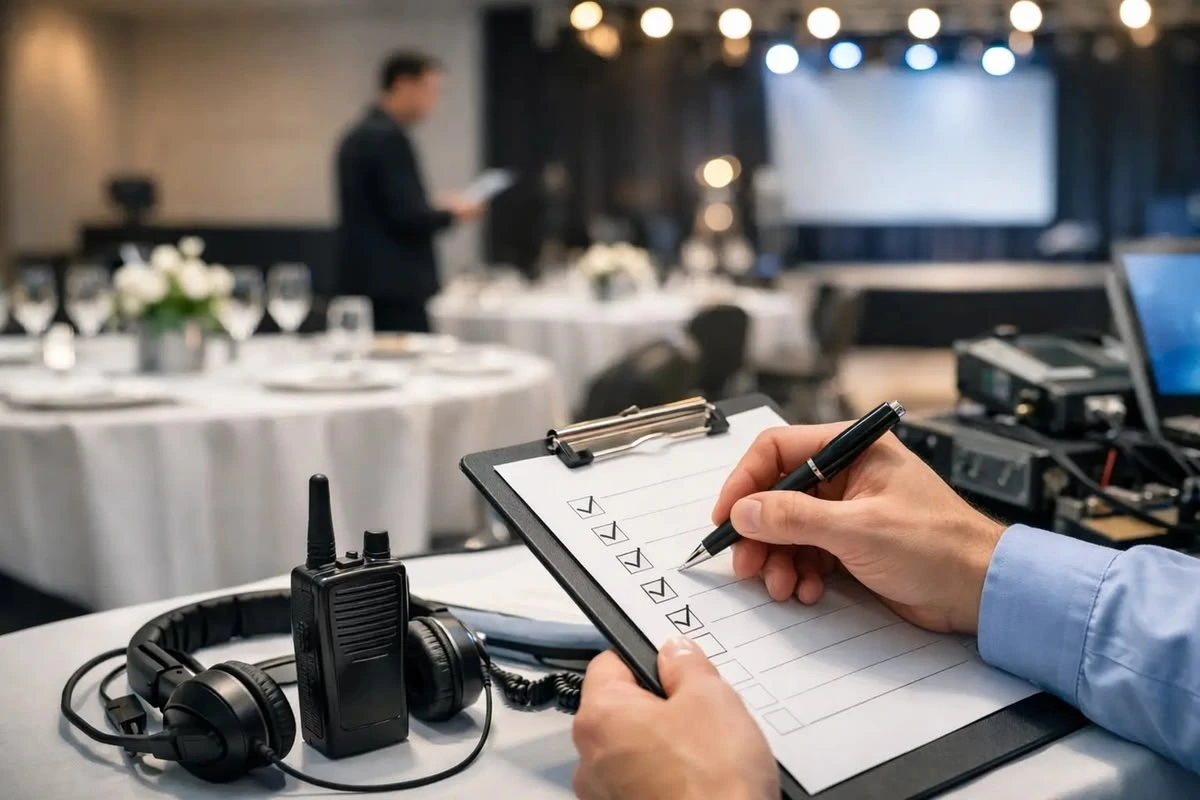
A well-defined timeline keeps every stage of event preparation organised. Experienced event management teams develop comprehensive plans covering everything from initial discussions and vendor bookings to invitations, rehearsals and post-event activities.
Each task is assigned a deadline, and responsibilities are clearly communicated to the relevant team members. Regular progress checks help organisers identify delays early and take corrective action before they affect the event.
A typical event planning timeline includes:
- Defining event objectives and the target audience.
- Finalising the budget, venue and event format.
- Booking vendors and coordinating production requirements.
- Sending invitations and managing attendee registrations.
- Confirming speakers, presentations and the event schedule.
- Conducting technical rehearsals and final venue inspections.
The schedule also includes contingency arrangements for unexpected situations, such as equipment failures or changes in speaker availability. By coordinating activities through a central plan, event professionals help businesses maintain control over resources and ensure that the event progresses according to schedule.
Managing Invitations, Registrations and Guest Hospitality
A positive attendee experience begins well before the event itself. Timely invitations, clear communication and a convenient registration process help guests feel informed and welcomed.
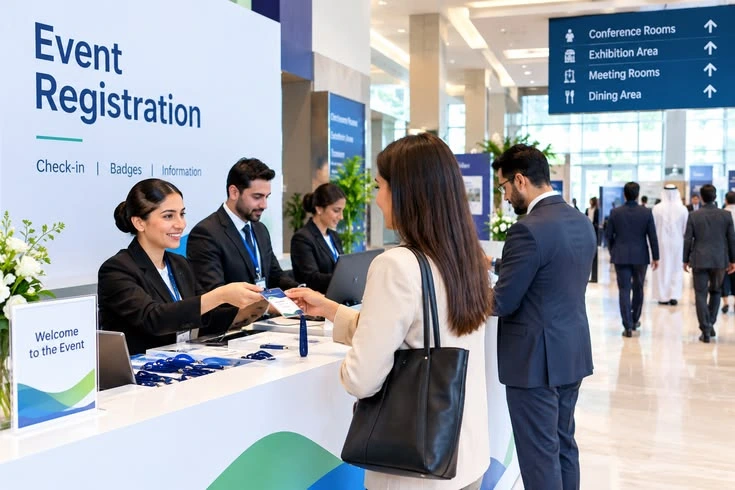
Event management companies in Mumbai coordinate invitations, registration forms, attendance confirmations, and reminders. For dealer meets involving participants from different cities, they may also manage travel arrangements, hotel bookings and local transportation.
On the event day, dedicated registration counters, clear signage and trained hospitality staff help attendees navigate the venue comfortably. Special arrangements can be made for senior executives, keynote speakers and other important guests.
Attention to these details reduces waiting times, improves coordination, and allows participants to focus on the conference rather than logistical concerns.
Designing Engaging Programmes and Networking Opportunities
A seamless event should be engaging as well as organised. Dealer meets and business conferences need a balanced programme that combines essential business information with opportunities for interaction.
Organisers structure agendas to include keynote speeches, business updates, product demonstrations, panel discussions, recognition ceremonies, and networking breaks. The sequence of activities is carefully planned to maintain audience interest without making the schedule unnecessarily demanding.
To improve attendee participation, event planners may incorporate:
- Interactive sessions: Audience polls, question-and-answer rounds, and panel discussions.
- Product experience zones: Dedicated spaces where dealers can explore new products and features.
- Recognition ceremonies: Awards that celebrate dealer achievements and encourage motivation.
- Networking opportunities: Structured breaks that allow participants to build professional relationships.
- Consistent event branding: Stage backdrops, presentation screens and signage that reinforce the company’s identity.
When the programme is relevant and well-paced, attendees are more likely to remain engaged, retain key messages and develop stronger business connections.
Preparing for Contingencies and Managing Budgets
Even with detailed planning, unexpected challenges can arise. Weather disruptions, traffic congestion, technical problems and last-minute programme changes can affect event delivery.
A professional event management agency in Mumbai prepares backup plans, maintains communication channels, and identifies alternative solutions before the event begins. Depending on the event, these measures may include backup equipment, alternative transport arrangements, reserve speakers or flexible programme slots.
Budget management is equally important. Event teams estimate costs for venue hire, catering, production, accommodation, entertainment and other requirements. They monitor expenditure throughout the planning process and communicate proposed changes to the client.
A clearly managed budget, combined with practical contingency planning, helps businesses maintain quality while reducing avoidable risks.
Evaluating Results After the Event
The event management process does not end when the last guest leaves. Post-event evaluation helps businesses understand whether their objectives have been achieved and what could be improved in the future.
Organisers may assess results by reviewing:
- Attendance figures: Comparing registrations with actual participation.
- Attendee feedback: Understanding guest satisfaction and identifying areas for improvement.
- Engagement levels: Evaluating participation in presentations, discussions and networking sessions.
- Business outcomes: Reviewing product enquiries, dealer interactions and follow-up meetings.
- Event performance: Documenting operational challenges, budget management and lessons learnt.
Photographs, videos and event highlights can be shared with attendees and internal teams to reinforce important messages. Follow-up communication also helps maintain relationships established during the event.
By reviewing results and recording lessons learnt, businesses can make future dealer meets and conferences more effective, relevant and valuable.
Integrating Branding and Consistent Communication
Strong branding helps create a unified experience throughout a dealer meet or business conference. Event planners incorporate the company’s visual identity, messaging and values into the event environment, from digital invitations and welcome kits to stage designs, presentation templates and promotional displays.
Consistent branding reinforces brand recognition and gives the event a professional appearance. Clear communication is equally important, ensuring that attendees understand the agenda, session timings, venue facilities, and key announcements.
When branding and communication work together, the event becomes more than a gathering. It creates a cohesive experience that strengthens the company’s identity and supports its business objectives.
End Notes
Planning a seamless dealer meet or business conference requires strategic thinking, creative execution, and meticulous attention to detail. From venue selection and guest management to technical coordination and post-event evaluation, every stage contributes to the overall experience and business outcomes. Choosing experienced event management companies in Mumbai can help businesses streamline these responsibilities, maintain professional standards, and create engaging corporate gatherings.
For businesses looking to organise impactful corporate events, they can rely on us at Benchmark Marcom. We offer corporate event solutions covering the planning and execution process. Our team can also help you create well-coordinated dealer meets and business conferences that strengthen partnerships, communicate business goals, and leave a lasting impression. To learn more about us or to plan an event, visit our website now.
FAQs
1. What do event management companies do for dealer meets?
They coordinate the planning and execution of dealer meets, including venue selection, invitations, hospitality, branding, stage production, entertainment, technical arrangements, and on-site management.
2. How far in advance should a business conference be planned?
Ideally, businesses should begin planning at least two to three months. Larger conferences or events involving international guests may require additional preparation time.
3. How do event organisers ensure a smooth event experience?
They use detailed schedules, assign responsibilities, coordinate suppliers, conduct technical rehearsals, and prepare contingency plans to minimise disruptions.
4. What factors influence the cost of a dealer meet?
The cost depends on the number of attendees, venue, event duration, catering, production requirements, travel arrangements, entertainment and branding elements.
5. Why is professional event management important for business conferences?
Professional event management helps businesses coordinate complex arrangements, maintain consistent branding, improve attendee engagement, and deliver a structured, memorable experience aligned with business goals.