
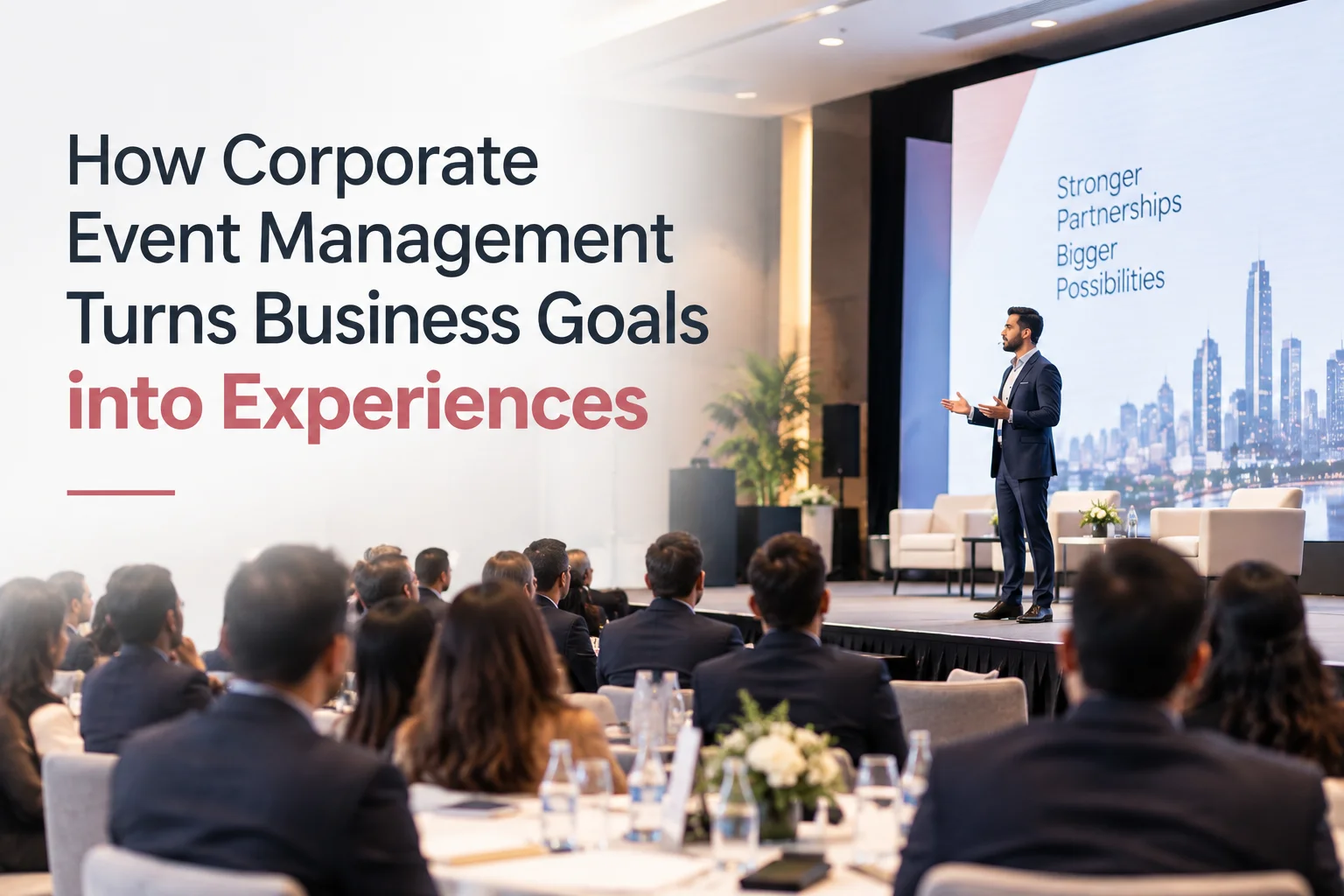
How Corporate Event Management Turns Business Goals into Experiences
A corporate event is more than a date on the business calendar. It is an opportunity to bring people together, share ideas, strengthen relationships, and create meaningful brand experiences. However, successful events rarely happen by chance. They require careful planning, creative thinking, and clear business objectives.
This is where corporate event management becomes important. A well-managed event connects a company’s goals with an experience that guests can remember. It can support a product launch, encourage employee engagement, build client relationships, or introduce a brand to a wider audience.
From the first idea to the final guest departure, every detail can influence the outcome. The venue, theme, technology, entertainment, branding, and guest experience should work together. In this blog, we will explore how business event management transforms business objectives into engaging experiences that create lasting value for brands and their audiences.
Start With Clear Business Goals
Every successful corporate event begins with a purpose. Before selecting a venue or designing a stage, businesses should understand what they want to achieve. The goal could be to launch a new product, celebrate a company milestone, reward employees, attract clients, or strengthen business partnerships.
Clear objectives make event planning more focused. They also help organisers decide which activities, formats, and experiences are most suitable. For example, a product launch may need strong visual branding and interactive demonstrations. A leadership conference may require professional presentation spaces and networking opportunities. When the corporate event management strategy reflects the business objective, every element has a clear role.
Turn Business Messages Into Experiences
Corporate communication does not always need to happen through presentations and speeches. Events provide an opportunity to turn important messages into experiences. A company may want to communicate innovation, reliability, creativity, sustainability, or growth. These ideas can influence the event’s theme, décor, technology, entertainment, and activities.
Imagine a technology company launching a new product. Instead of simply showing slides, the event could include interactive demonstrations and hands-on experiences. Guests can explore the product and understand its benefits directly. This makes the message more appealing and leaves a lasting impact. Furthermore, experiential elements can help audiences connect with a brand on a deeper level.
Create a Strong Event Concept
A strong concept gives an event its personality. It brings different elements together under one central idea. The concept should match the brand and the purpose of the event. It should also be suitable for the target audience.
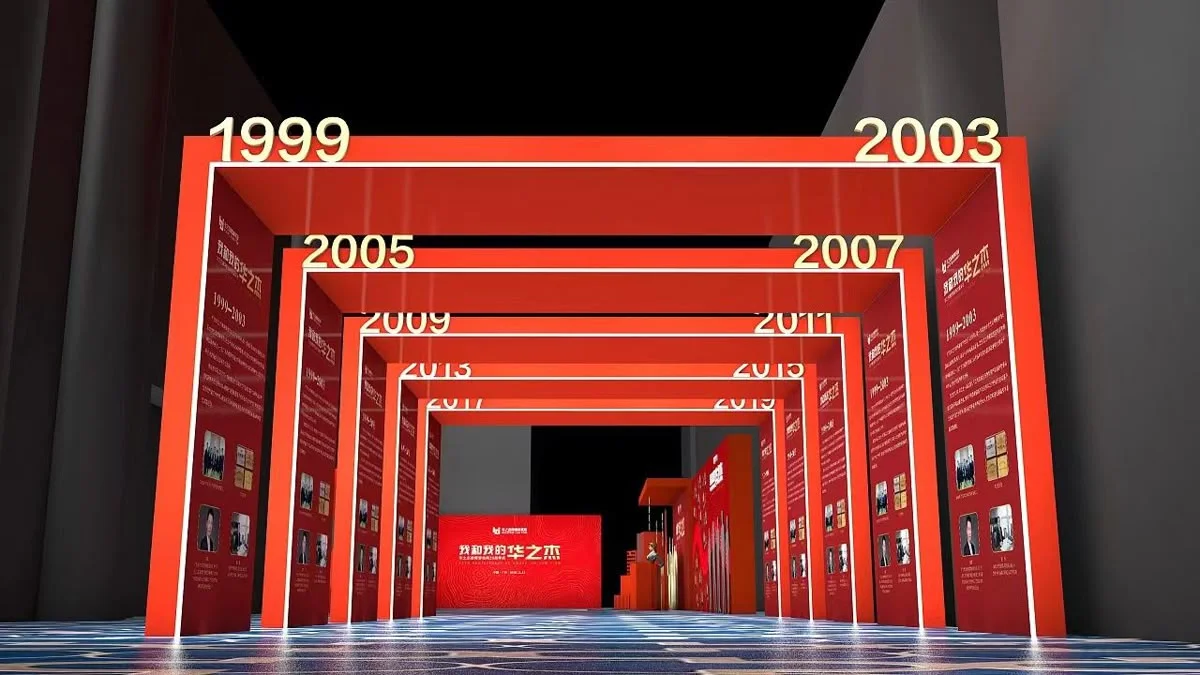
A well-developed concept can influence:
- Event themes and visual identity
- Stage and venue design
- Guest activities
- Entertainment choices
- Audio-visual presentations
- Digital experiences
- Branding and communication
The focus should extend beyond the event’s appearance. Every creative decision should support the main message.
Choose the Right Format
Not every corporate event needs the same format. The right choice depends on the audience, objectives, location, and desired experience.
Some corporate business events may benefit from a formal conference format. Others may work better as interactive workshops, networking events, award ceremonies, exhibitions, or product showcases.
Conferences and Seminars
These formats are useful for sharing knowledge, discussing industry developments, and bringing professionals together.
Product Launches
Product launches need attention-grabbing experiences that introduce the product clearly while creating excitement among guests.
Dealer and Partner Meets
These events can help businesses communicate with distributors, dealers, and partners while strengthening professional relationships.
Employee Events
Employee-focused events can encourage interaction, recognise achievements, and create a stronger sense of connection within an organisation. Selecting the right format ensures the event feels natural rather than forced.
Make Guest Experience a Priority
An event may have an impressive stage and excellent technology, but the overall experience still depends on the guests. Good corporate event management considers the entire guest journey. This starts before the event and continues until guests leave the venue.
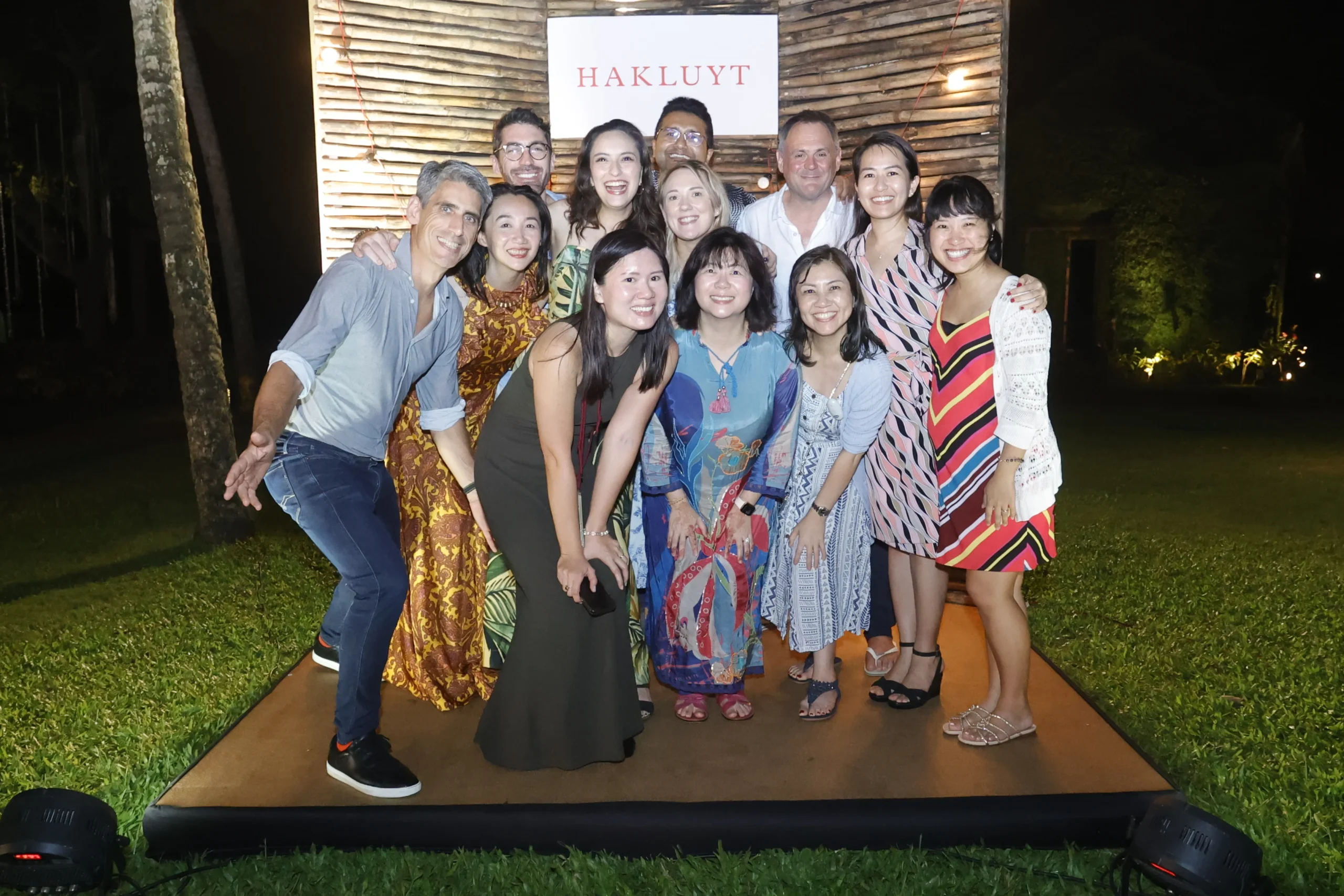
Think about registration, welcome areas, seating, navigation, refreshments, networking spaces, entertainment, and departure. Even small details can influence how guests perceive the event. A smooth experience helps people stay engaged. It also allows them to focus on the purpose of the gathering rather than logistical problems.
Use Technology With Purpose
Technology has become an essential part of modern corporate events. However, it should serve a purpose rather than simply being added for visual appeal. Large LED screens, projection mapping, interactive displays, event apps, live streaming, digital registration, and audience engagement tools can all support an event.
Technology works best when it improves communication or participation. For example, interactive screens can encourage guests to participate. Live polling can make a conference more engaging. Digital registration can make the arrival process faster. In addition, audio-visual technology can help presenters communicate complex ideas in a clearer way. The right technology should make the event better, not more complicated.
Build Opportunities for Connection
B2B event management is often valuable because they bring people together in the same space. Networking should therefore be considered during the planning stage. Comfortable networking areas, informal discussions, interactive activities, and carefully planned seating can encourage meaningful conversations.
For business-focused events, these interactions may help companies strengthen existing relationships and create new connections. However, networking should not feel forced. The event design should create natural opportunities for people to communicate.
Measure the Impact of the Event
The work continues even after the event comes to a close. Businesses should also consider what the event achieved. Depending on the objective, success can be reviewed through different measures.
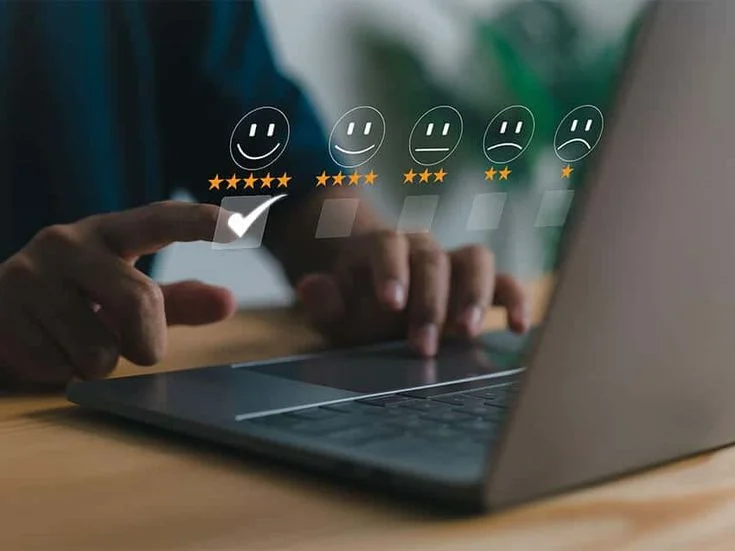
These may include:
- Guest attendance and participation
- Customer or partner feedback
- Employee engagement
- Leads generated
- Product interest
- Social media interaction
- Post-event enquiries
- Overall audience response
Measuring results helps businesses understand what worked and what could be improved. It also makes future event planning more informed.
End Notes
Corporate events can become powerful platforms for communication, engagement, networking, and brand building. When business goals guide the planning process, every element can contribute to a meaningful experience. From choosing the right format to creating an engaging concept, managing guest journeys, using technology, and measuring results, corporate event management connects strategy with execution.
For businesses looking to create professionally planned and creatively executed corporate experiences, they can rely on us at Benchmark Marcom. We offer event solutions designed around brand objectives and audience engagement. Visit our website now to discover how thoughtful event planning can turn your next business goal into a memorable experience.
FAQs
What is corporate event management?
Corporate event management involves planning, organising, and executing business events. It can include conferences, product launches, exhibitions, employee events, dealer meets, and other professional gatherings.
Why is corporate event management important?
It helps businesses turn their objectives into structured and engaging experiences. Professional planning can also improve guest experience, event coordination, communication, and overall execution.
What types of corporate events can be managed?
Corporate events can include conferences, seminars, product launches, exhibitions, award ceremonies, dealer meets, employee engagement events, networking gatherings, and business celebrations.
How can technology improve a corporate event?
Technology can improve communication and audience engagement through tools such as LED displays, interactive installations, digital registration, live streaming, audience polling, and other audio-visual solutions.
How can businesses measure the success of an event?
Businesses can review attendance, participation, audience feedback, leads, enquiries, engagement, and other results linked to the original event objectives. This can help improve future events.