
Brand activation events help businesses connect with audiences through real-world experiences. However, running an activation in one location is very different from managing the same campaign across several cities or venues. Each location has its own audience, environment, logistics, and operational challenges. Without proper coordination, the brand experience can become inconsistent.
This is where brand activation event management becomes important. A well-planned approach helps maintain the same brand message, visual identity, customer experience, and campaign objectives across different locations. At the same time, it allows teams to adapt activations to local audiences and venue conditions.
From standardised branding and staff training to logistics, technology, and performance tracking, every detail contributes to consistency. In this blog, we will explore how businesses can maintain a unified brand experience across multiple locations and the key factors that support successful execution.
Why Consistency Matters in Multi-Location Brand Activations
When a campaign runs across several locations, audiences should recognise the same brand experience wherever they encounter it. Consistency helps strengthen brand identity and makes the campaign easier to remember.
However, consistency does not mean every activation must look the same. Local conditions may require changes in venue layouts, audience engagement methods, or operational planning. The core brand message and experience should remain consistent while execution can adapt to each location.
A clear brand activation event management strategy provides the foundation for achieving this balance. The brand activation approach focuses on understanding the target audience, defining clear goals, and measuring activation effectiveness.
Establish Clear Brand Guidelines
The first step is to create clear guidelines for every activation team. These guidelines should cover the visual identity, messaging, promotional materials, staff presentation, signage, and audience communication.
When teams follow the same guidelines, customers receive a familiar experience at every location. This is particularly important when several agencies, suppliers, or local teams are involved.
Brand guidelines can include:
- Logo placement and usage
- Approved colours and typography
- Key campaign messages
- Promotional material specifications
- Staff dress codes
- Customer interaction standards
- Photography and social media guidelines
A centralised guideline document can help teams maintain these standards throughout the campaign.
Standardise the Audience Experience
The audience journey for corporate business events should follow a consistent structure across locations. Visitors should understand what the activation offers, how they can participate, and what action they should take next.
Interactive experiences, demonstrations, competitions, and product trials can make activations more engaging. The exact activity can vary, but the overall customer journey should support the same campaign objective.
Train Teams Before the Campaign Begins
Staff members directly represent the brand during an activation. Even a well-designed setup can lose its impact if staff members deliver inconsistent information or customer service. Before the campaign begins, teams should receive training on the brand, campaign objectives, customer communication, activation process, and frequently asked questions.
Training should also explain how to handle different customer situations. This helps teams respond confidently while maintaining a consistent tone. For multi-location campaigns, a central training programme can ensure that staff members across different cities receive the same information and instructions.
Maintain Consistent Visual Branding
Physical branding for B2B event management plays a major role in activation campaigns. Booths, backdrops, banners, promotional counters, uniforms, displays, and digital screens should follow the same visual system.
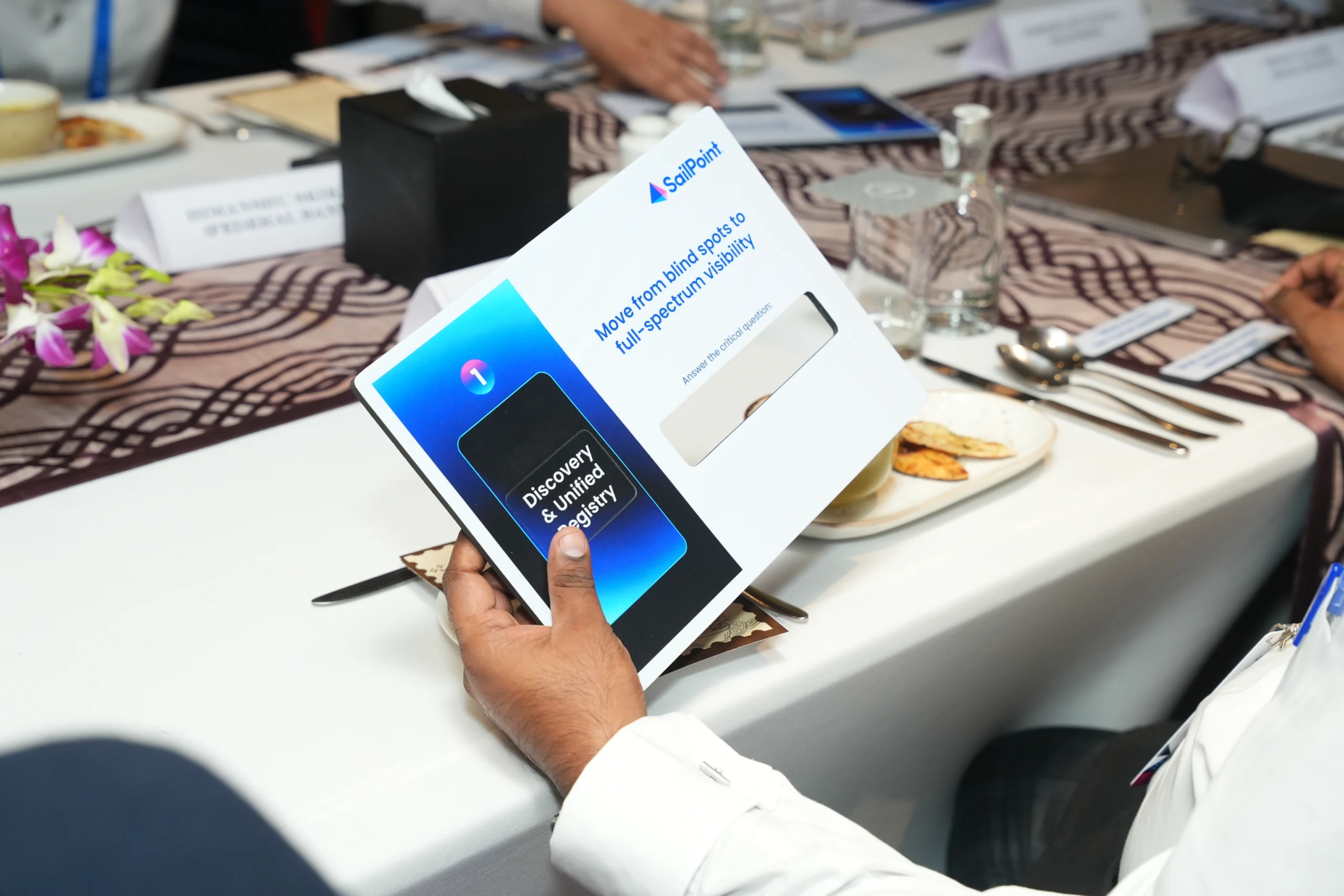
However, each venue may have different dimensions or restrictions. A modular design can solve this challenge. Instead of creating completely different setups for every location, brands can develop adaptable components that fit different spaces. This approach helps maintain visual consistency while making installation and transportation easier.
Coordinate Logistics Across Locations
Multi-location activations require detailed logistical planning. Materials, equipment, promotional merchandise, technical systems, and branding elements must reach each venue on time.
A central logistics plan can track:
- Material dispatch and delivery
- Venue access requirements
- Installation schedules
- Equipment movement
- Staff deployment
- Local suppliers
- Dismantling and storage
Strong coordination reduces delays and helps ensure that each location is ready before the audience arrives.
Use Centralised Communication and Technology
Communication becomes increasingly important as the number of locations increases. Teams need a reliable way to share updates, instructions, schedules, creative assets, and operational information.
A central communication system can help managers monitor progress and resolve issues quickly. Digital tools can also support real-time reporting and performance tracking.
Technology can help teams collect information such as visitor numbers, leads, engagement levels, participation rates, and customer feedback. These insights can then be compared across locations to identify successful approaches and areas for improvement.
Measure Results Consistently
A multi-location activation should use common performance indicators. Without standardised measurement, it becomes difficult to compare results between cities or venues.
Useful metrics can include:
- Audience footfall
- Customer interactions
- Leads generated
- Product trials
- Samples distributed
- Social media engagement
- Conversions
- Customer feedback
Measuring activation effectiveness helps businesses refine future campaigns and improve overall results. Using the same reporting framework across locations makes it easier to compare performance, identify successful strategies, and understand where improvements are needed.
Conduct Post-Event Reviews
The work does not end when the activation finishes. Each location can provide valuable insights for future campaigns.
Teams should review what worked, what created difficulties, and how audiences responded. Comparing feedback across locations can reveal common issues and successful practices.
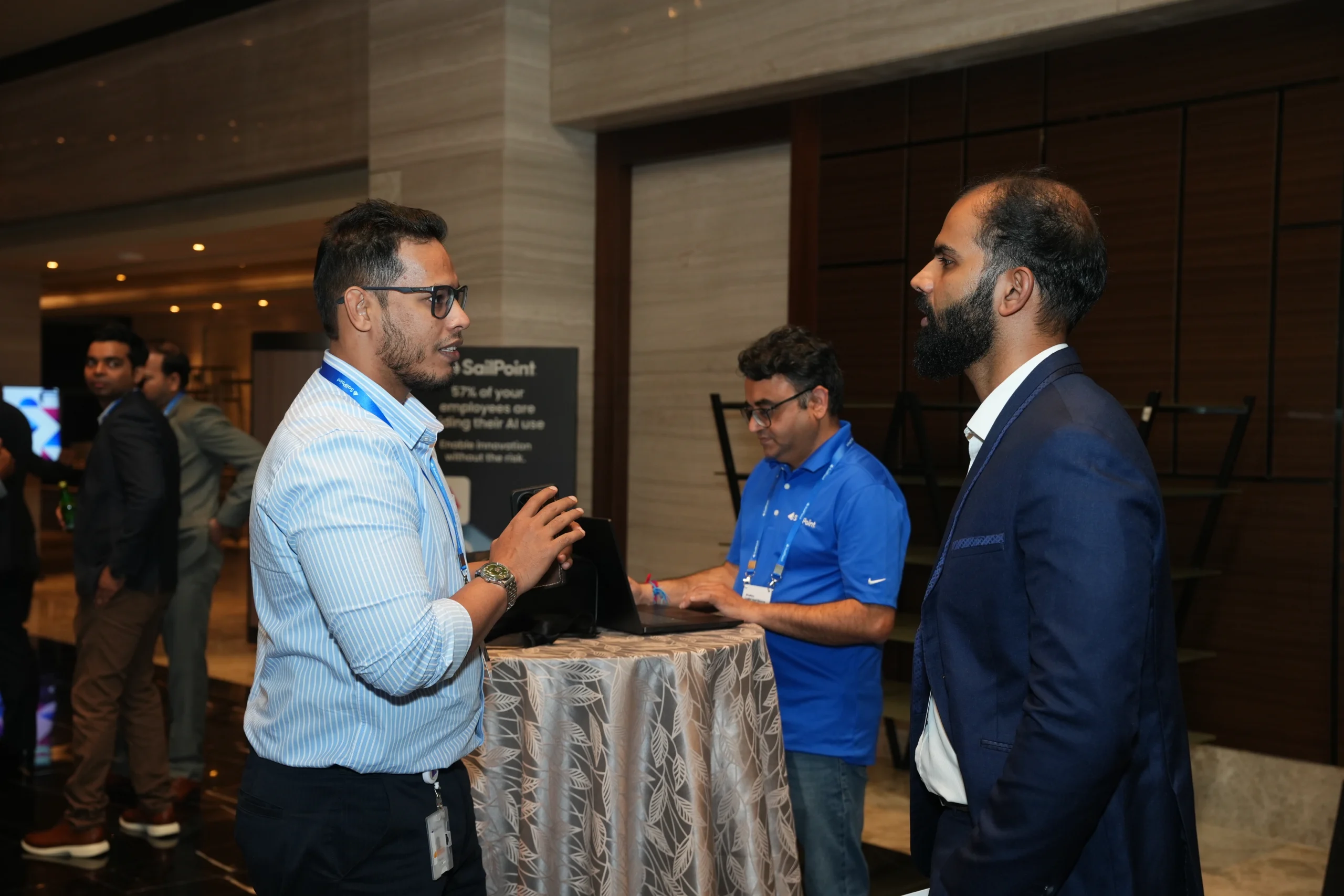
These findings can then improve the next activation. Over time, this creates a more efficient and consistent approach to multi-location event management.
Conclusion
Successful multi-location activations require more than repeating the same event in different places. They require a clear strategy, consistent branding, trained teams, coordinated logistics, local adaptation, and reliable performance measurement. When these elements work together, brands can create experiences that feel connected across different locations while still responding to local audiences.
For businesses looking for professional brand activation event management support, they can rely on us at Benchmark Marcom. We provide end-to-end event and brand activation services, from conceptualisation and planning to execution. With our experience in on-ground activations across varied touchpoints, we can help businesses create organised and engaging brand experiences at scale. To plan your event, visit our website now.
FAQs
- What is brand activation event management?
This primarily involves planning and executing experiences that allow audiences to interact directly with a brand. It covers strategy, creative planning, logistics, staffing, execution, and performance measurement.
- Why is consistency important in multi-location brand activations?
Consistency helps audiences recognise the same brand message and identity across different locations. It also supports stronger brand recall and creates a more reliable customer experience.
- Can a brand activation be adapted for different locations?
Yes. The core brand message and campaign objectives should remain consistent, while activities, layouts, and engagement methods can be adapted to local audiences and venue conditions.
- How can businesses measure multi-location activation performance?
Businesses can track metrics such as footfall, customer interactions, leads, participation, conversions, social engagement, and customer feedback. Using the same metrics makes location-to-location comparison easier.
- What role does event management play in large-scale activations?
Professional event management helps coordinate planning, teams, suppliers, branding, logistics, technology, and on-ground execution. This reduces inconsistencies and helps deliver a smoother experience across multiple locations.